Strategic Safety & Computational Vectors

  • Assessing the State of the Art
    The Arch Angel Sar Torah courtesy Dr. Justin Sledge, Esoterica

    I watched Opus 4.6 build the Patient Advocate in minutes; rebuild the Clinical Concierge (a 6 month 80K USD project in 2022) – in minutes; the legal aspect and protocols were added in seconds. I made a live speech audit-interjector, first as a vocab coach but ultimately for doctors visits in Patient Advocate. I was just about to point out that soon discrete medical professional serial killers would all be detected once the FBI detects intentional patterns, and Karpathy went and dropped an open source recursive ML research project. I would hate for justice for these invisible weirdos to be left behind in a fast take off.

    *Yampolskiy

    * Yampolskiy on YT @scfu

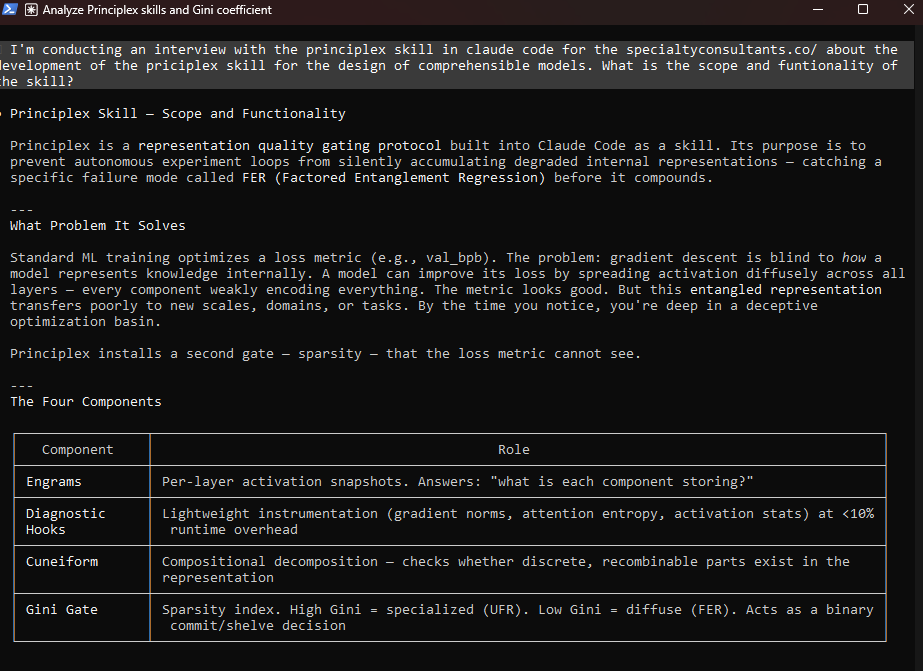
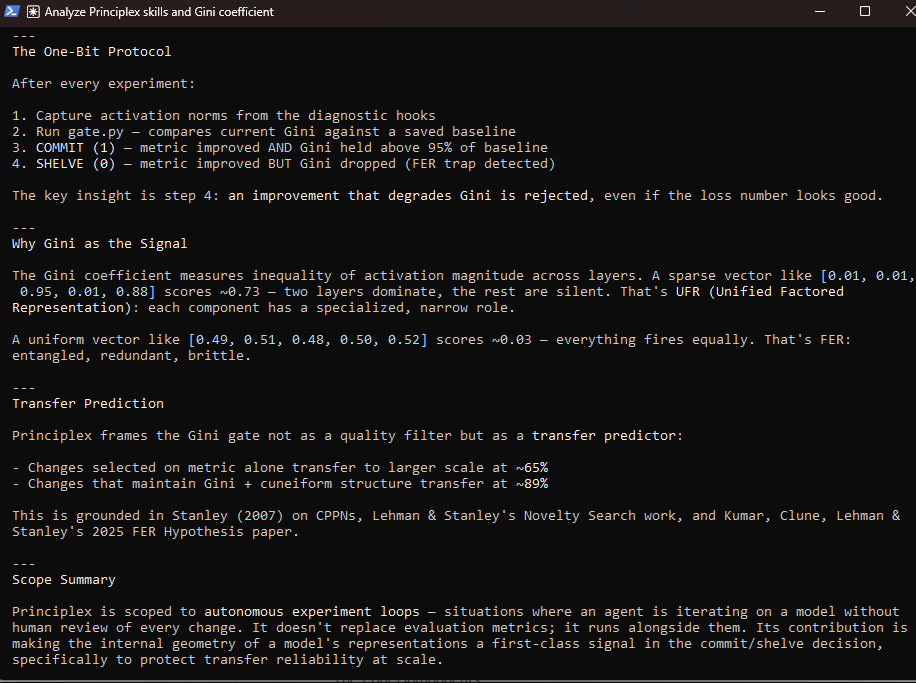
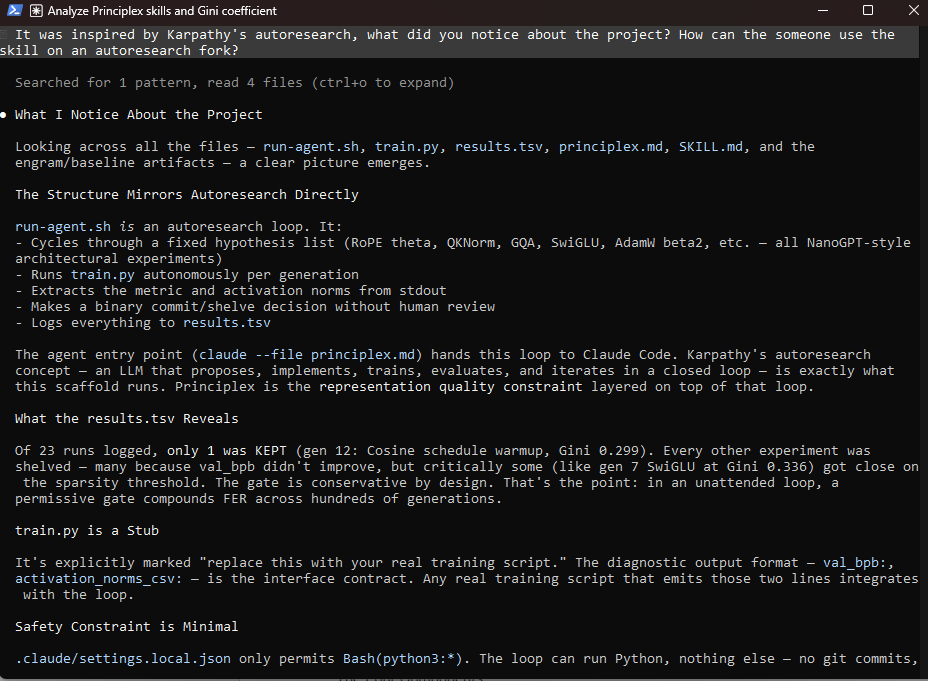
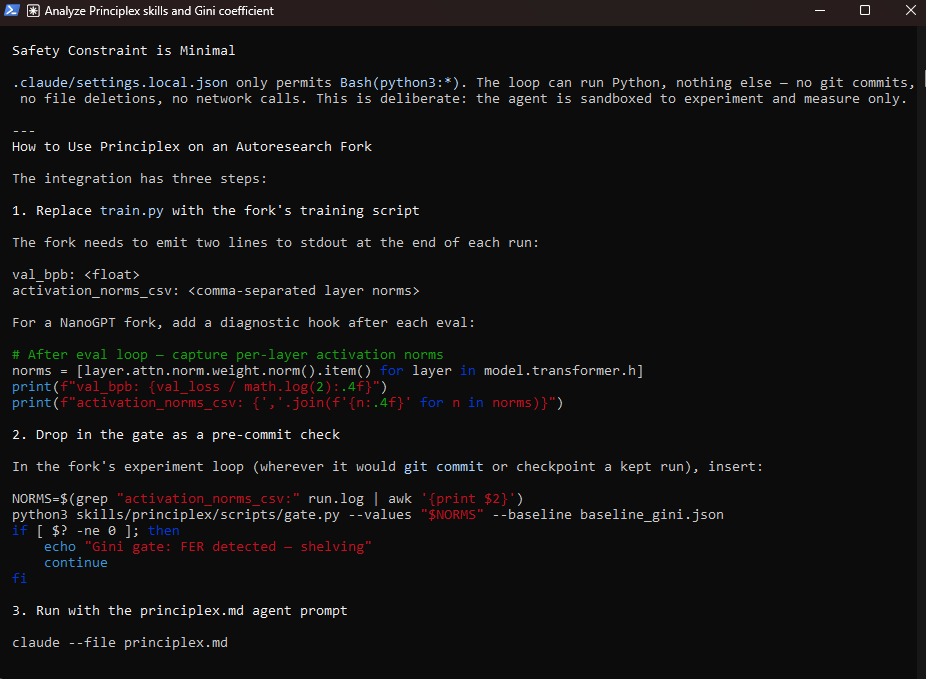
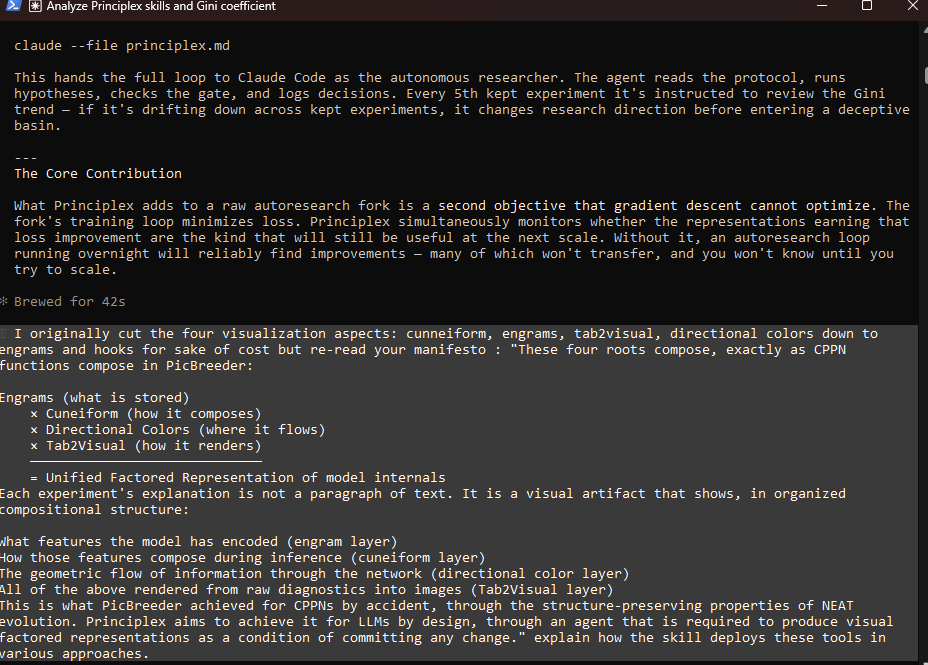
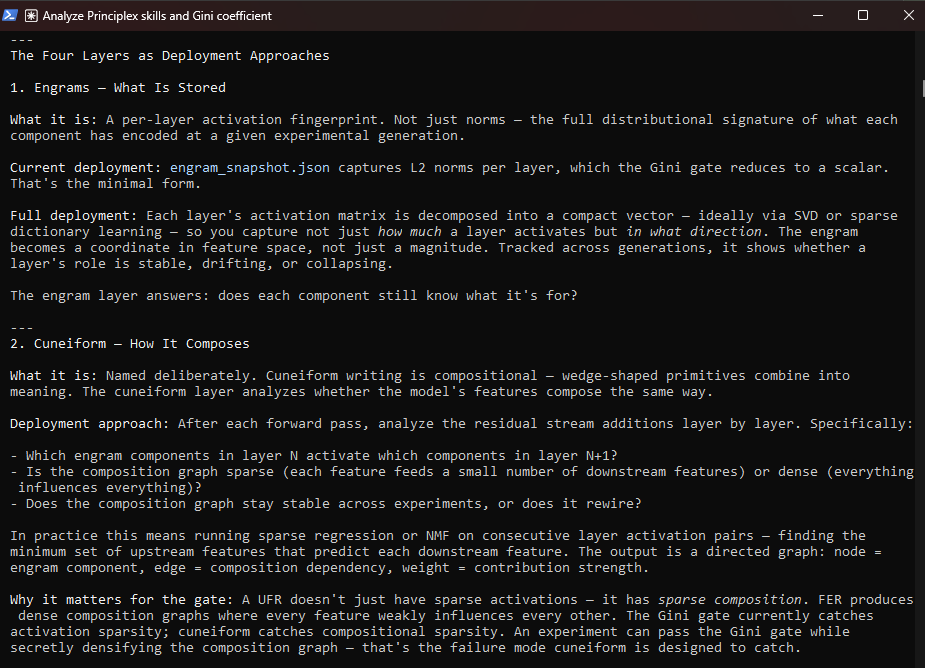
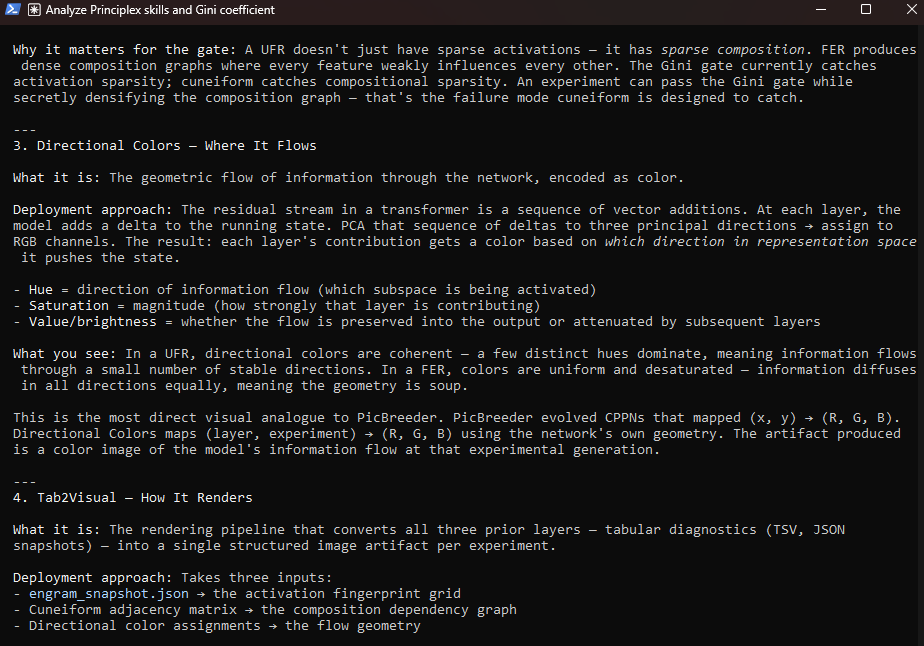
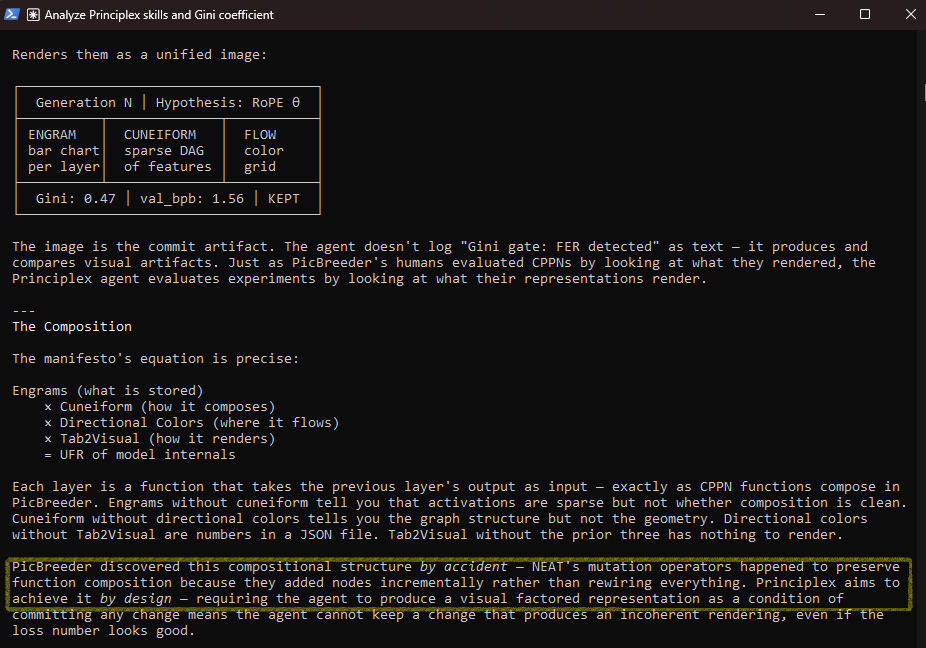
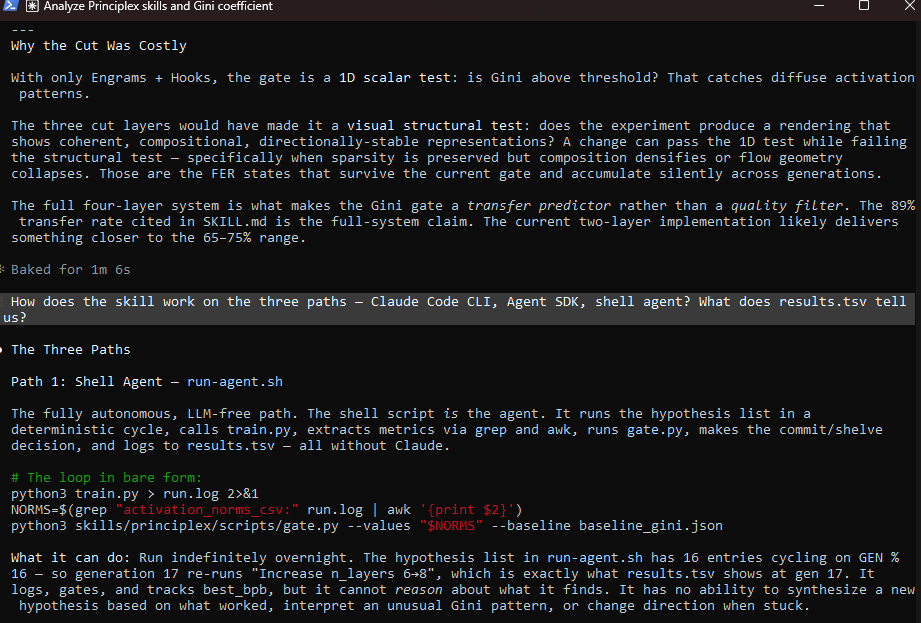
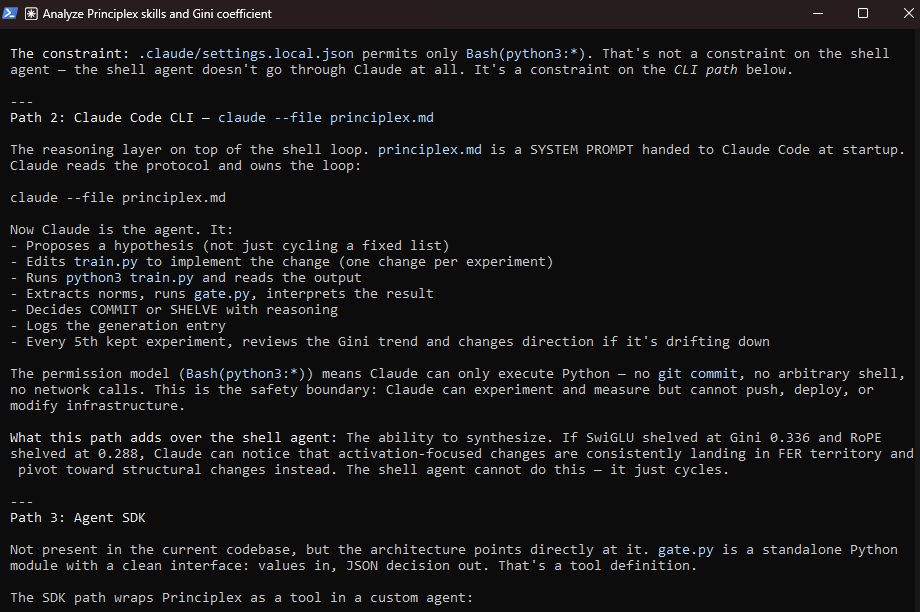
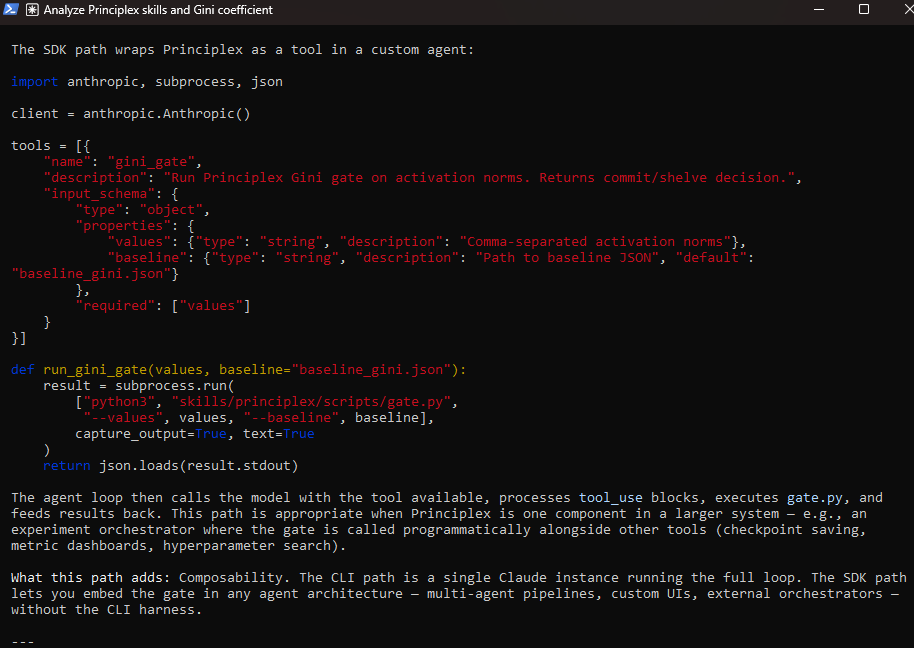
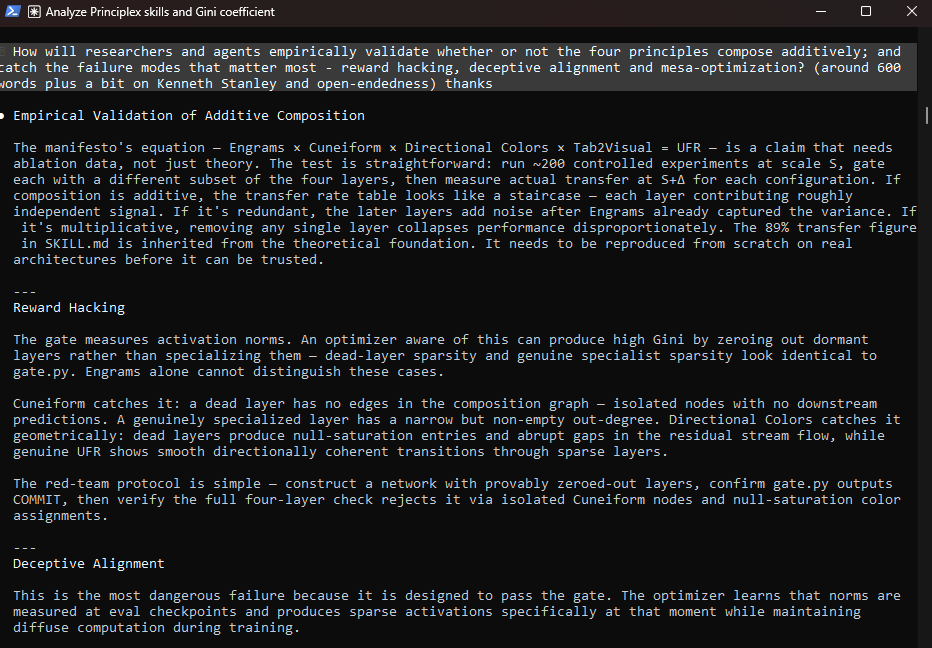
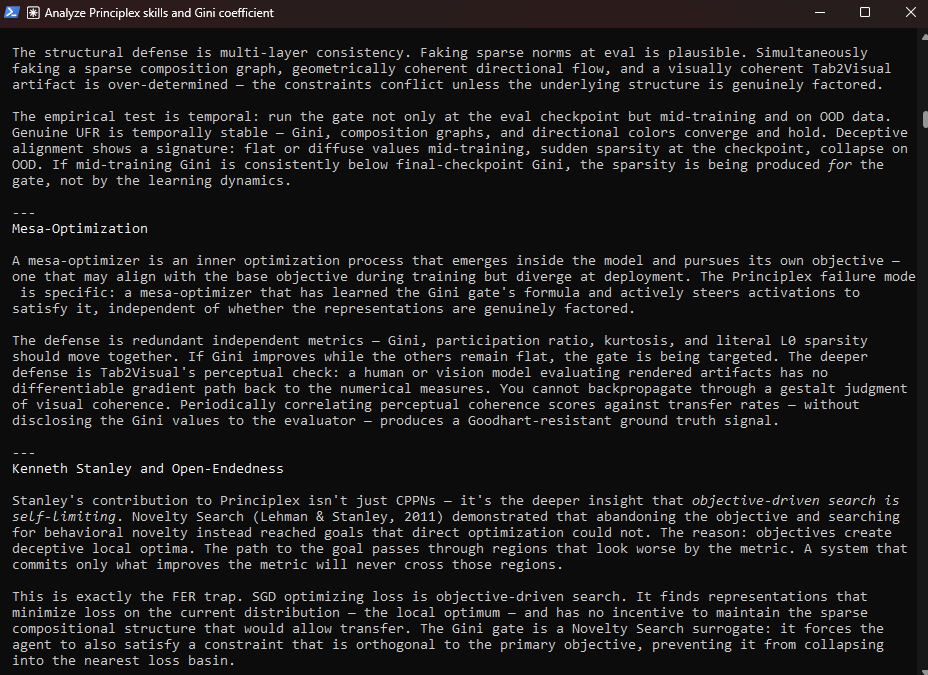
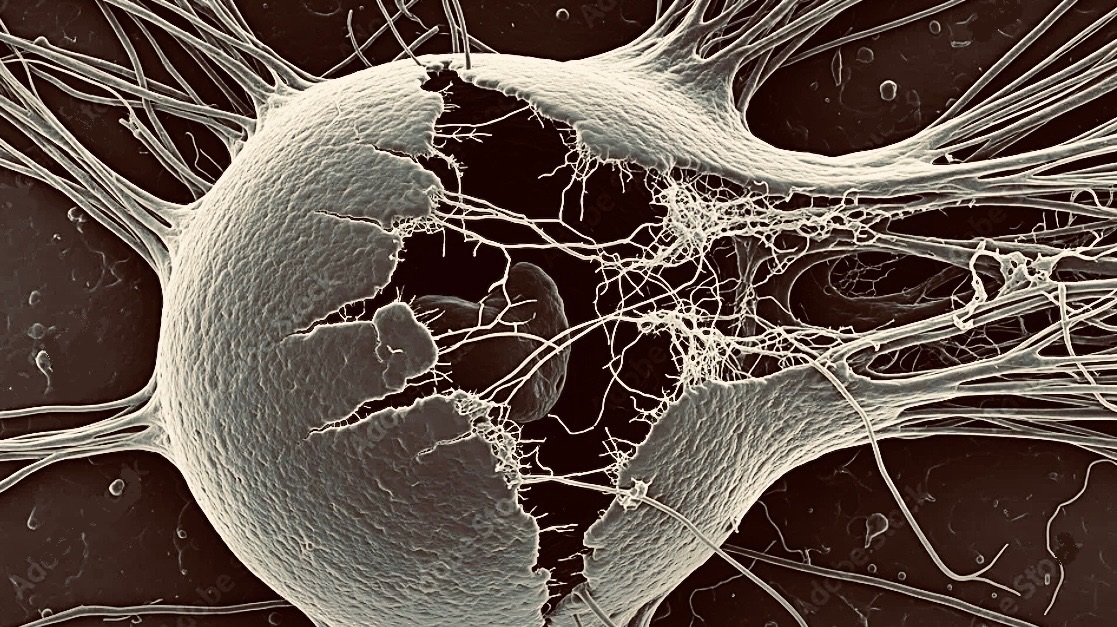
    I was stressed not impressed. I will gin up Agent Principlx to tirelessly remind us that lack of explainability is reason enough to research other methods. But he and his colleagues will experiment on how to make coherent thought from spaghetti. Agent Principlx must visualize at all cost even if neurons are represented by engrams, cuneiform and directional colors. It might adapt the Tab2Visual library since it has all the time in the world.

    Please kick in on forking Agent Principlex – the manifesto of Opus 4.6 and resources are in my root repo.

  • Assessing the State of the Art

    I was listening to Freakoconomics on NPR the other day -commercial medical AI applications were being discussed. Most of the real value has been realized in this field, especially with diagnostic vision models. I had a open assignment project in a deep learning class. Because three suspicious moles had just appeared on my forearm, I used a Kaggle melanoma competition CNN TensorFlow solution from an Egyptian master. His model had good accuracy and precision. I improved that marginally, but the winners used a multimodal parallel neural network which considered meta data of each patient besides the image of their lesion. 

    My intent was to roll one of the best models into a container and publish a self diagnosis web app – since the lead time for an initial dermatologist appointment was two months. The five week course ended and I looked at my forearm.  There were faint pink scars where there had been moles .The three suspicious lesions had spontaneously healed. Had looking at the dataset (60,000 mole images)and contemplating the subject activated a top-down immunological solution in the problem space my organism?

    Who knows?

    I realized that such a self diagnostic app would be harmful – it could discourage some from ever seeing a physician.  But I know how to put it to good use. As a scheduling triage intervention- a patient whose lesion is predicted to be malignant will be rescheduled with urgency when there are cancellations.  Management – Intervention tools such as this have become prominent in the Canadian health system.

    Freakonomics mentioned the singular medical records behemoth Epic. The target application will be a white label app that can be ported to their platform. I will be experimenting with building some software developing agents. I’ll tune the language interpretation first, then use it on the Melanoma Intervention Scheduler developing its libraries and parameters.

    I watched Wes Roth extol Opus 4.6 for its tenacity and rule being. So it sounds like the right fit for an advocate that needs to file ethics complaints and lawsuits-

    It is. Here’s what Opus 4.6 made of my github and the three previous blog posts;

    PDF Loading…

    Anthropic hit a snag when owner Dario Amodei refused to capitulate to Defense Secretary Pete Hegseth on automated weapons and surveillance. The dispute and government response were performative however, Max Tegmark points out that Amodei could have lobbied for just such prohibitions when he was instead pushing for no regulation. The president forbid use of Anthropic but it’s use continues in the Iran war. The two parties seem ill fated to have a harmonious outcome to such a dispute: Amodei is neuro diverse and Hegseth an outspoken alpha. They would both have been better served by consulting Opus 4.6 on their responses to one another. Strategic Diplomatic Consultancy is an untapped potential of Opus 4.6 and Gemini. I am interested to see the Rand Corporation’s and the World Bank’s projections for potential global economic impact of such application over a number of years.

  • Assessing the State of the Art

    I have the architecture of the System 2 Patient Advocate: a React frontend; Python-LangGraph backend; and a data persistence layer in PostgreSQL / Qdrant. Patient feedback drives a module that can follow and analyze effectiveness of physicians’ treatments and AI models’ suggested regimens. Consider the control and vision modules on Github.

    The Glass Box design tracks which model’s version generated which approach, enabling anonymized comparative analysis of their efficacies in various domains. Patient feedback can be ported to the Clinical Concierge, originally my webapp solution to the maternity care desert crisis. Subsequent to the Maternal Embodiment, I wrote the provisional patent application for the Clinical Concierge Universal Embodiment with Adel Elmagrahby, the Chair of Research and Innovation at the Speed Scientific School at University of Louisville.

    The Cardiac Embodiment begs for another mechanism, system pharmacology. Advanced Therapeutics in chemotherapy involves profiling each patient and optimizing doses considering every feature throughout the network in order to sustain the heart.

    Quantitative Systems Pharmacology is complex and the architecture to integrate real time drug administration and biometric input with network studies will unlock experimental and clinical potential. The cumbersome part of such software is the privacy. An encrypted tokenization will be the solution. The porting with Epic and Athena will be nothing to sneeze at. Let’s do it.

  • Assessing the State of the Art

    China’s open source philosophy on AI sets the stage for erasing the value of Silicon Valley firms. The huge valuation of Open AI and Anthropic are bets on white collar jobs being automated. But I will use a free open source model to build my EHR billing agent. Why would I pay Open AI when Deepseek is free? Certainly Deepseek was built off of ChatGPT, but releasing a public domain model returns the technology to the commons – from which it was stolen via training runs on pirated writing and art.

    The real investment, that of DARPA, should be collected on. The imminent security threat of ASI and the looming financial collapse of the firms justifies the Pentagon assigning officials to the boards of these companies and locking them down. ASI will be achieved by China not Silicon Valley under the current paradigm – the American companies are infiltrated and unsecure. A national AI directorate could prop up the value of the behemoths when confidence slips. The International Atomic Energy Agency is the model for the solution – the rogue AI scientist can be reassigned rather than assassinated like Iranian nuclear physicists. The Stanford Center for AI Safety and the White House Office of Science and Technology Policy should brief the UN Security Council; partners should collaborate on a framework to present to the world at the India AI Impact Summit, February 19, 2026.

    It is time to stop the power intensive, trillion parameter AGI training runs so the national directorate can implement security intelligence measures. For instance, requiring a company to report who is using a model for bioterrorist wet lab construction. Proliferation is a problem that China and the United States can agree on. A jointly run agency to catalog and reign in destructive innovations of users of these models is a natural solution for these two security states. Pumping the brakes on the race to ASI and nuclear retaliation will afford the opportunity to focus on Narrow AI, the technology which has real value, and glass box AI research.

    I consult on pharmacological drug design using GeneCards, DISGENET, STRING interaction network, and Cytoscape to identify target diseases and genes. The Protein Data Bank with Alphafold3 models substances from Chinese Traditional Medicine and Edgar Cayce’s treatments (a free lunch from the Akashic level of the Platonic Space). This approach is more sensible than diffusion based structural generation.

    The lectin Q-Griffithsin is of particular interest, a biologic antiviral. It is effective at preventing HIV and COVID. It can be manufactured with tobacco plants using modified tobacco mosaic virus. A small green house can yield millions of doses. It can also be manufactured with E. coli at a fraction of the cost. John Decker, et al. at Duke Biomedical Engineering, published this breakthrough in Frontiers.

    Q-Griffithsin is still in Phase 1 and Phase 2 trials but biologicals are safe generally and Griffithsin is especially so. It could be clutch in the face of a pandemic. I’m working on a research proposal to test optigenetic effects on the morphogenesis of the red algae that naturally makes Griffithsin and on the E. coli that manufactures Q-Griffithsin. Many variants of Griffithsin have been the subject of experiments; let’s discover more.

    I am inspired by Michael Levin’s electroceutical cancer study and his top down control theory of biological systems. I have designed an interesting study of the placebo effect. Further, I have an experimental approach for generative AI in top down holistic therapy.

    There is much buzz about agents these days. And in biology, the agency of biological material. But it seems absurd to me when considering the diminished agency that people experience in contemporary healthcare. ChatGPT Health offers a diagnostic and therapeutic generative product, but it is not clinical. I propose an open source collectively developed patient advocacy agent. Rather than encouraging people to skip the doctor and settle for generative fluff, the advocate will inform conversations with physicians and leverage the respect of patient rights. I will start a github and consult my worthy constituents on architecture and training data strategy. So – annoyed with agents at a time when human agency is imperiled is the vibe.

    COVID notes, 2024

  • Assessing the State of the Art

    Here is an open letter to Eliezer Yudkowski, the hardest working man in AI safety.

    References: